Smart Algorithms and Responsible Gambling Tools That Help Players Stay in Control
The online gambling industry has undergone a dramatic transformation over the past decade, with technology playing an increasingly important role in protecting players. Smart algorithms and sophisticated responsible gambling tools now work behind the scenes to help individuals maintain healthy gaming habits. These innovations represent a significant shift toward player-centric safety measures that combine cutting-edge technology with psychological insights.
How AI Algorithms Monitor Player Behavior
Modern online casinos employ advanced artificial intelligence systems to observe and analyze player activity in real-time. These algorithms create a comprehensive picture of individual gaming patterns without interrupting the entertainment experience. The technology works continuously to identify behaviors that might indicate problematic gambling habits before they escalate into serious issues.
Pattern Recognition Technology
AI-powered pattern recognition systems track various player metrics including session duration, betting frequency, and stake escalation patterns. The algorithms compare individual behavior against established statistical models of both healthy and concerning gambling patterns. When deviations from normal behavior occur, the system flags these changes for further evaluation or immediate intervention.
These intelligent systems can detect subtle warning signs that human observers might miss. For instance, they monitor sudden increases in deposit frequency, chasing losses through progressively larger bets, or playing during unusual hours. The technology adapts to each player’s baseline behavior, making the analysis more personalized and accurate.
Risk Assessment Systems
Real-time risk assessment represents one of the most sophisticated applications of AI in responsible gambling. These systems assign risk scores to players based on multiple behavioral factors and demographic information. The algorithms continuously update these assessments as new data becomes available, ensuring that interventions happen at the optimal moment.
Predictive analytics takes this protection a step further by forecasting potential problem gambling before it manifests. Machine learning models trained on historical data can identify trajectories that typically lead to harmful behavior. This proactive approach allows casinos to reach out with support resources before players experience significant harm.
Essential Responsible Gambling Tools
While algorithms work in the background, players have direct access to numerous tools that put control firmly in their hands. These features empower individuals to set their own boundaries and maintain discipline. The most effective platforms integrate these tools seamlessly into the user experience, making them easy to access and modify.
Deposit and Loss Limits
Financial limit-setting tools are fundamental to responsible gambling frameworks. Players can establish daily, weekly, or monthly caps on deposits, losses, or wagers before they start playing. These limits act as automatic circuit breakers that prevent overspending in the heat of the moment.
Key types of financial limits include:
- Deposit limits that restrict how much money can be added to an account
- Loss limits that stop play when a predetermined amount has been lost
- Wager limits that cap the size of individual bets
- Session limits that control spending within specific timeframes
- Cooling-off periods that delay limit increases for 24-72 hours
Self-Exclusion Programs
Self-exclusion allows players to voluntarily ban themselves from gambling platforms for specific periods. These programs range from short-term breaks of 24 hours to permanent exclusions lasting years or indefinitely. Many jurisdictions now require casinos to participate in centralized exclusion databases that prevent problem gamblers from simply moving to different operators.
Multi-operator exclusion systems represent a significant advancement in player protection. When someone self-excludes through a national registry, they’re automatically blocked from all participating gambling sites. This comprehensive approach closes loopholes and ensures that exclusion decisions are truly effective.
Reality Checks and Session Reminders
Time-tracking features combat one of gambling’s most common pitfalls: losing track of how long you’ve been playing. Reality checks are pop-up notifications that interrupt gameplay at regular intervals to inform players about session duration and net wins or losses. These moments of reflection encourage conscious decision-making about whether to continue or stop.
Effective reality check systems typically include:
- Elapsed time notifications (every 30, 60, or 90 minutes)
- Financial summaries showing deposits, withdrawals, and net position
- Options to set additional time limits or take breaks
- Links to responsible gambling resources and support services
The Role of Machine Learning in Prevention
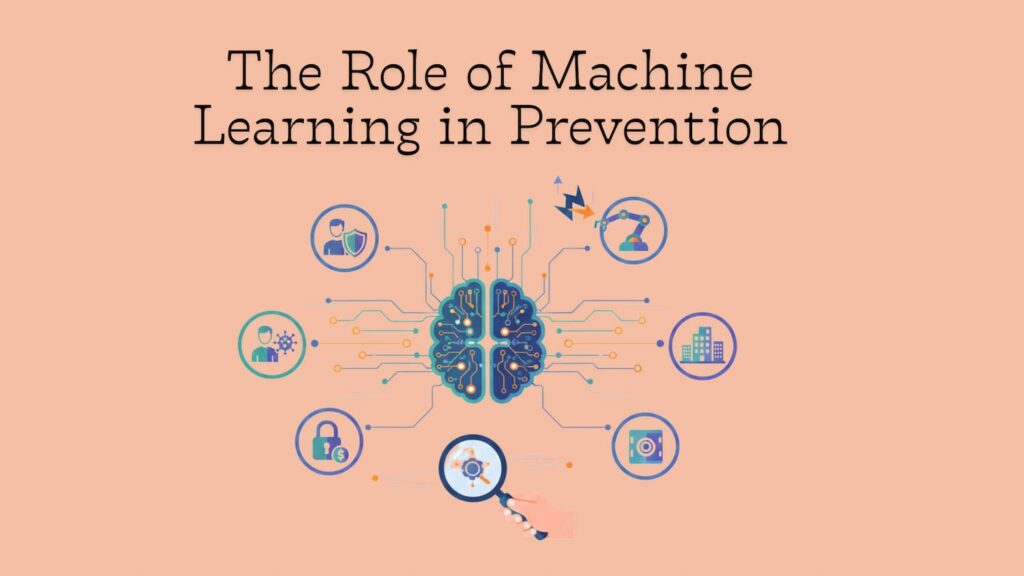
Machine learning algorithms continuously improve their effectiveness by learning from vast amounts of player data. Unlike static rule-based systems, these models evolve and adapt to emerging patterns of problematic behavior. The more data they process, the better they become at distinguishing between enthusiastic recreational play and potentially harmful gambling.
These systems also reduce false positives that can frustrate legitimate players with unnecessary interventions. By understanding the full context of player behavior, machine learning models make more nuanced judgments. This balance between protection and player experience is crucial for the long-term success of responsible gambling initiatives.
Empowering Players Through Transparency
Modern responsible gambling frameworks emphasize transparency and education alongside technological controls. Players increasingly have access to detailed personal gambling data through account dashboards and monthly reports. These insights help individuals understand their own behavior patterns and make informed decisions about their play.
Comprehensive player dashboards typically display:
- Total deposits and withdrawals over various timeframes
- Session frequency and average duration statistics
- Most-played games and favorite betting patterns
- Comparison of current activity to personal historical averages
- Easy access to limit-setting tools and support resources
Educational resources complement these data tools by helping players interpret their statistics and recognize warning signs. Many platforms now integrate brief educational modules about cognitive biases, the mathematics of gambling, and strategies for maintaining control. This information empowers players to become more self-aware and responsible.
Conclusion
The combination of smart algorithms and accessible responsible gambling tools has created a new paradigm in player protection. Technology now serves as both guardian and enabler, allowing people to enjoy gambling entertainment while maintaining healthy boundaries. As artificial intelligence continues to advance, these systems will become even more sophisticated at predicting risk and personalizing interventions.
The future of responsible gambling lies in this partnership between human agency and algorithmic oversight. Players benefit from powerful tools that respect their autonomy while providing safety nets when needed. This balanced approach represents the gambling industry’s commitment to sustainability, ensuring that entertainment never comes at the cost of well-being.